
• (770) 300-0011
  • Contact
American Elevator
  • Elevators
    • Traditional Home Elevators
      • Hydraulic
      • Inline Gear Drive
    • Luxury Home Elevators
      • Symmetry Dream
      • Cibes Air
      • Antera
      • Glass Elevators
    • Home Accessibility Elevators
    • Small Footprint Home Elevators
      • Cibes Ascenda
      • Shaftless Elevators
    • Elevator Doors
    • Commercial Elevators
      • Dumbwaiters
      • LULAs
  • Lifts
    • Stairlifts
      • Straight
      • Curved
    • Wheelchair Lifts
      • Vertical Platform Lift
        • Cibes Primo
      • Inclined Platform Lift
  • Maintenance & Repairs
  • Gallery
  • Resources
    • Architect & Builder Information
    • Brochures & Design Guides
  • About
    • Areas We Serve
      • Georgia
        • Suwanee
      • North Carolina
      • South Carolina
    • Testimonials
    • Blog
  • Menu Menu

What to Expect During Your Home Elevator Installation Process

The home elevator installation process follows a fairly predictable sequence once you understand the stages involved, and knowing what happens at each one removes most of the anxiety that keeps buyers stuck. This walkthrough covers that process from the first site visit through your final ride.
Before Your Home Elevator Installation Begins

Every home elevator installation starts well before any equipment shows up. This early planning stage is where the project gets defined, and it sets the pace for everything that follows.

The In-Home Site Assessment

A licensed technician visits your home to evaluate the space where the elevator will go, whether that’s an existing shaft, a closet stack, or an area that needs new construction. They measure overhead clearance, check for structural support, and identify where electrical work will need to tie in. This visit also surfaces any surprises early, like a load-bearing wall in an inconvenient spot or a pit depth that won’t work for a hydraulic system.

Getting this right at the start avoids costly change orders once installation is underway, and it gives you a realistic picture of what your home can actually support.

Finalizing Your Elevator Design

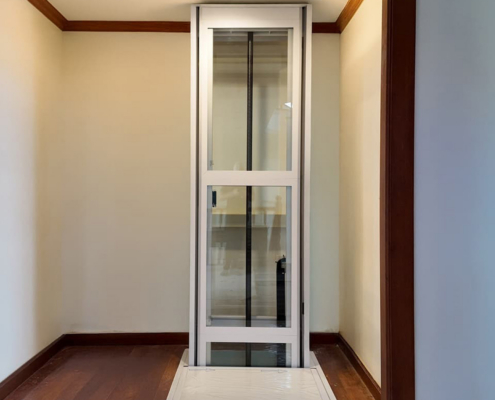
Once the site assessment confirms feasibility, you’ll work through drive system, cab finish, and door style decisions based on what fits your space and budget. A shaftless or small-footprint model might make sense for a tight retrofit, while a traditional hoistway gives more flexibility in new construction.

This is also when CAD-ready specifications get drawn up, which matter for construction coordination and for the permit application that comes next. Most homeowners spend two to four weeks in this design phase, though custom finishes can extend that timeline.

Understanding Home Elevator Permits in Georgia

Before any physical work begins, your project needs sign-off from the state. Georgia handles home elevator permits through its Office of Commissioner of Insurance and Safety Fire, Safety Engineering Division, rather than through local building departments the way many other construction permits work. Your licensed installer typically manages this paperwork on your behalf, submitting design specifications and coordinating required inspections.

This state elevator permit is separate from any local electrical or structural permits your project might also need, so both tracks tend to move in parallel, and specific fees vary by project scope.

What Happens During Elevator Installation Week

Once permits clear and materials arrive, the physical work begins. This is the stage most homeowners are anxious about, and understanding what actually happens each day makes it far less intimidating.

Preparing Your Home for the Crew

Before any cutting or framing starts, the crew protects the work area with floor coverings and temporary barriers to contain dust and debris. If your project involves a retrofit, this is also when any existing structure gets opened up to create the hoistway or shaft space.

Most reputable installers walk you through exactly which rooms will be affected and for how long, so you can plan around it. Expect noise and foot traffic through the work zone, but a well-run crew keeps the rest of your home clean and usable throughout.

The Physical Elevator Installation

With the space prepared, the crew installs the rail system, drive mechanism, and cab structure according to the finalized design. Hydraulic systems typically require pit work and a small equipment room, while inline gear drive and shaftless models involve less structural modification but still need precise alignment.

Electrical work ties in throughout to power the drive system and safety features, and depending on the complexity of your elevator installation, this hands-on phase generally runs anywhere from a few days to about two weeks.

American Elevator’s home elevator installation services pair state-licensed technicians with Cibes Lift Group-backed equipment, keeping your home elevator installation process on track from start to finish.

Learn More

What the Elevator Installation Timeline Actually Looks Like

Homeowners often ask for a single number, but the honest answer depends on several variables working together. A straightforward retrofit into an existing space with a traditional home elevator might move from signed contract to first ride in eight to twelve weeks, factoring in design, permitting, and installation. Projects involving new construction, custom finishes, or a small-footprint elevator built into a tight space can stretch to sixteen weeks or more.

The single biggest factor in your elevator installation timeline is usually the design and permitting phase rather than the hands-on construction itself. Equipment lead times and how quickly permit reviews move shape the calendar more than the physical installation does. A realistic conversation about your layout and goals during the site visit is the best way to get a timeline you can actually plan around.

Living With Construction: What Disruption Really Looks Like

Even a well-managed installation involves some level of disruption, and pretending otherwise sets homeowners up for frustration. Knowing what to expect ahead of time makes the actual experience far more manageable.

Noise and Access During the Work

Expect cutting, drilling, and equipment noise concentrated during specific phases rather than spread evenly across the entire project. Most crews work standard daytime hours, so evenings and weekends stay quiet. Access to the affected area of your home will be limited while work is underway, though the rest of your house typically stays fully usable. If you have specific scheduling needs, like working from home, raise that during the design phase.

Protecting Your Home Throughout the Project

A professional installer protects flooring, walls, and adjacent rooms with coverings before any work begins, and cleans the work area at the end of each day rather than leaving mess to accumulate. This daily cleanup matters more than people expect, since a two-week project that leaves construction debris feels far more disruptive than one where the crew resets the space every evening. Ask any installer you’re considering how they handle daily cleanup and dust containment, since the answer says a lot about how the rest of the project will go.

Your Final Walkthrough and First Ride

Once installation work wraps up, a state inspector reviews the completed system. Your installer will typically be present for this inspection to address anything that comes up on the spot. After certification, you’ll get a final walkthrough covering safe operation, emergency procedures, and basic care, along with documentation for your records.

This is also the point where ongoing maintenance and service plans get discussed, since Georgia requires annual maintenance visits to keep your system code compliant going forward.

Start Your Home Elevator Installation Process With a Team You Can Trust

Every homeowner’s layout, timeline, and goals are a little different, which is exactly why a real conversation with a licensed professional matters more than a generic estimate. American Elevator has guided homeowners across Georgia, South Carolina, and North Carolina through this process since 1997, using in-house, state-licensed technicians.

Whether you’re weighing a traditional hoistway against a shaftless model or you’re not sure what your space can support, our team can walk your layout with you and lay out a realistic plan. Reach out to talk through what your home elevator installation process could look like.

Share This Post

  • Share on Facebook
  • Share on X
  • Share on Pinterest
  • Share on LinkedIn
  • Share on Tumblr
  • Share on Vk
  • Share on Reddit
  • Share by Mail

More Like This

Ascenda Home Elevator In Hallway

Residential Elevator Specifications for Architects and Builders

Home Elevators
https://www.aelevator.com/wp-content/uploads/2026/10/Ascenda-Home-Elevator-in-hallway.jpg 1250 2000 Abstrakt Marketing /wp-content/uploads/2026/01/ae-logo-color.png Abstrakt Marketing2026-10-06 13:54:332026-10-06 13:54:39Residential Elevator Specifications for Architects and Builders
Antera Home Elevator Next To Modern Fireplace

How a Home Elevator for Aging in Place Keeps Georgia Families at Home

Home Elevators
https://www.aelevator.com/wp-content/uploads/2026/10/Antera-Home-Elevator-next-to-modern-fireplace.jpg 1250 2000 Abstrakt Marketing /wp-content/uploads/2026/01/ae-logo-color.png Abstrakt Marketing2026-10-06 12:49:582026-10-06 12:50:02How a Home Elevator for Aging in Place Keeps Georgia Families at Home

Categories

  • Home Elevators

Location

Address
4177 Suwanee Dam Rd NW
Suwanee, GA 30024

7015 Wells Hwy SUITE B
Seneca, SC 29678

Get In Touch

Phone

Suwanee: (770) 300-0011

Seneca: (864) 985-0555

Email
[email protected]

[email protected]

Services

Elevator Installation

Lift Installation

Service and Maintenance

About Us

American Elevator provides home elevators, lifts, and service you can trust.

Website by Abstrakt Marketing Group ©
  • Sitemap
  • Privacy Policy
Link to: How a Home Elevator for Aging in Place Keeps Georgia Families at Home Link to: How a Home Elevator for Aging in Place Keeps Georgia Families at Home Antera Home Elevator Next To Modern FireplaceHow a Home Elevator for Aging in Place Keeps Georgia Families at Home
Scroll to top Scroll to top Scroll to top

This site uses cookies. By continuing to browse the site, you are agreeing to our use of cookies.

AcceptLearn more

Cookie and Privacy Settings


How we use cookies

We may request cookies to be set on your device. We use cookies to let us know when you visit our websites, how you interact with us, to enrich your user experience, and to customize your relationship with our website.

Click on the different category headings to find out more. You can also change some of your preferences. Note that blocking some types of cookies may impact your experience on our websites and the services we are able to offer.

Essential Website Cookies

These cookies are strictly necessary to provide you with services available through our website and to use some of its features.

Because these cookies are strictly necessary to deliver the website, refusing them will have impact how our site functions. You always can block or delete cookies by changing your browser settings and force blocking all cookies on this website. But this will always prompt you to accept/refuse cookies when revisiting our site.

We fully respect if you want to refuse cookies but to avoid asking you again and again kindly allow us to store a cookie for that. You are free to opt out any time or opt in for other cookies to get a better experience. If you refuse cookies we will remove all set cookies in our domain.

We provide you with a list of stored cookies on your computer in our domain so you can check what we stored. Due to security reasons we are not able to show or modify cookies from other domains. You can check these in your browser security settings.

Other external services

We also use different external services like Google Webfonts, Google Maps, and external Video providers. Since these providers may collect personal data like your IP address we allow you to block them here. Please be aware that this might heavily reduce the functionality and appearance of our site. Changes will take effect once you reload the page.

Google Webfont Settings:

Google Map Settings:

Google reCaptcha Settings:

Vimeo and Youtube video embeds:

Accept settingsHide notification only