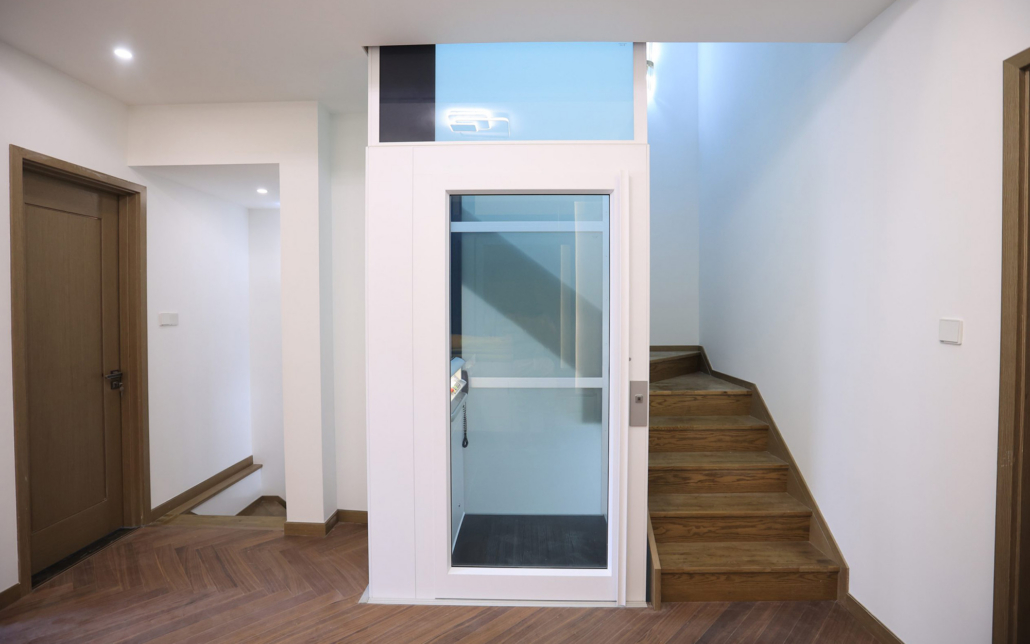
Glass Home Elevators
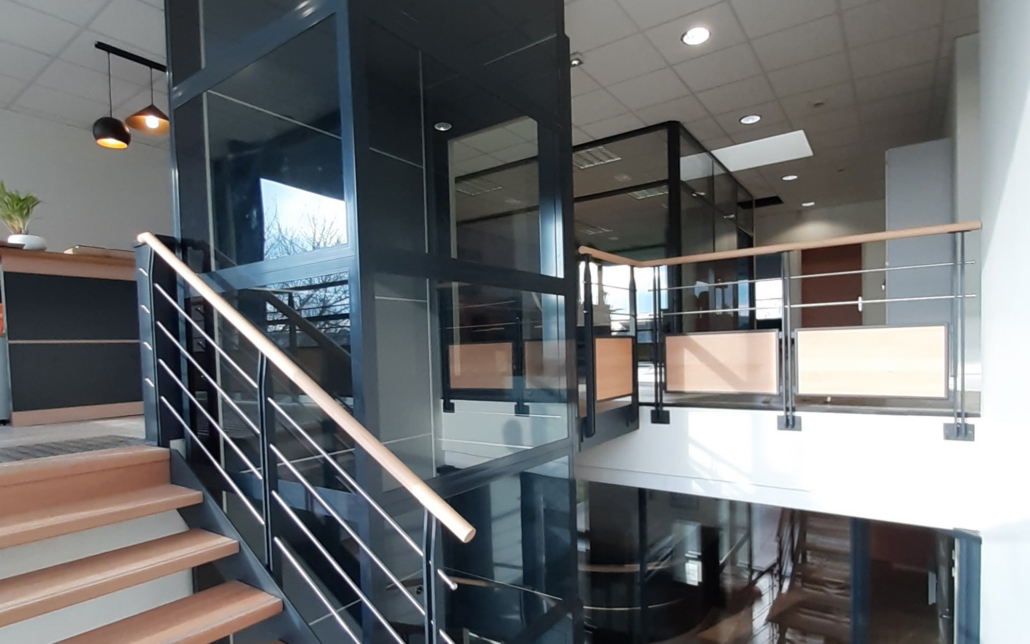
American Elevator installs glass home elevators and panoramic elevator systems built to live in the architecture, not disappear behind it.


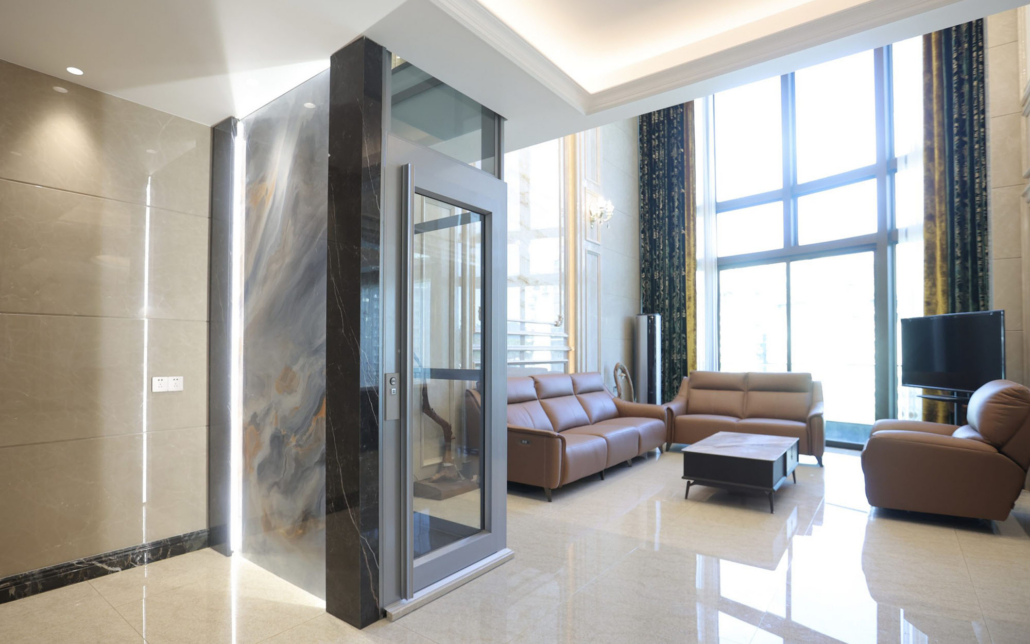
Most homeowners investing in a luxury residential elevator aren’t looking for a utility closet that moves. They want a system that earns its place in a well-designed home, that reads as intentional from the foyer, the stairwell, or the great room. A glass home elevator delivers that without compromising on safety, ride quality, or long-term reliability.
American Elevator installs custom home elevator systems through Cibes Symmetry, with glass and panoramic configurations built to complement high-end interiors. Our in-house technicians handle every phase, so the same team that planned your installation is accountable for how it performs five years from now.
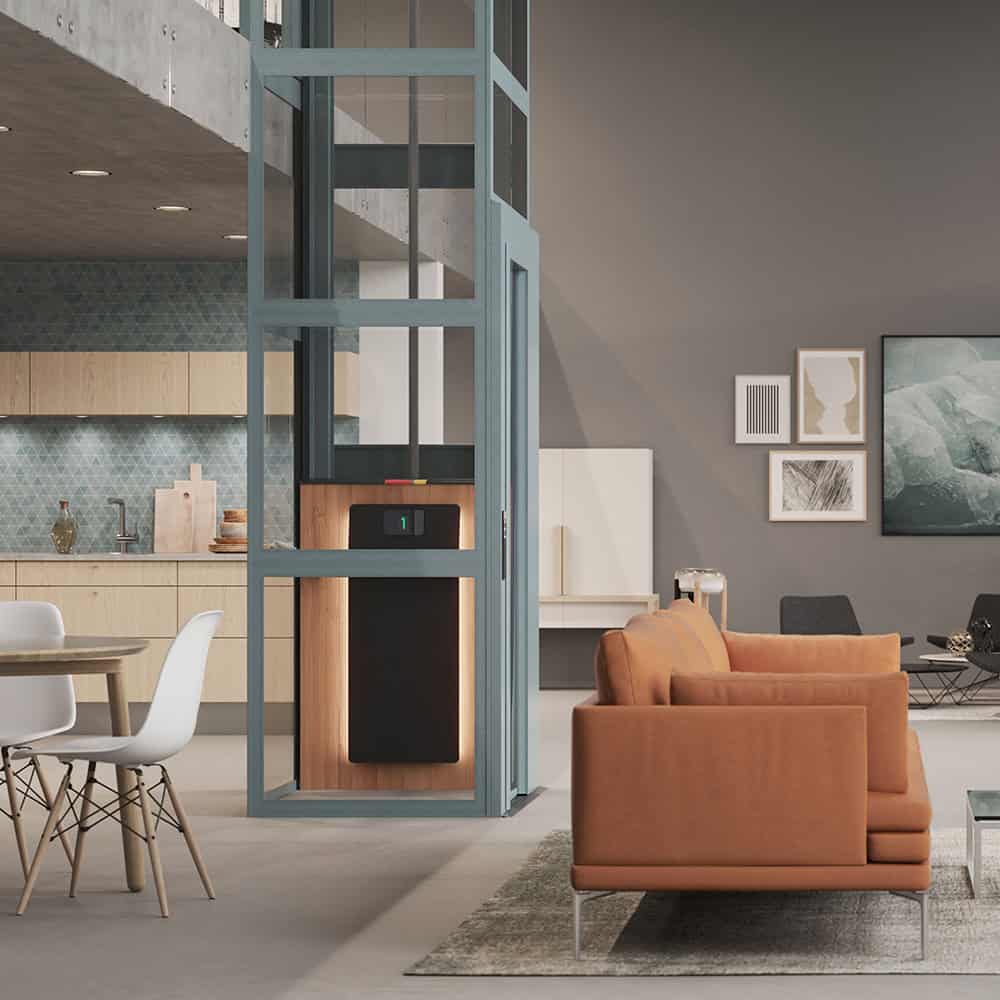
The Cibes Air is the defining glass home elevator for homeowners who want maximum visual openness. Its fully glazed shaft and cab let light travel through the home rather than blocking it, creating a sculptural centerpiece that works especially well in open-plan interiors, atriums, and homes with scenic views. The screw-and-nut drive system delivers a smooth, quiet ride with no machine room required.
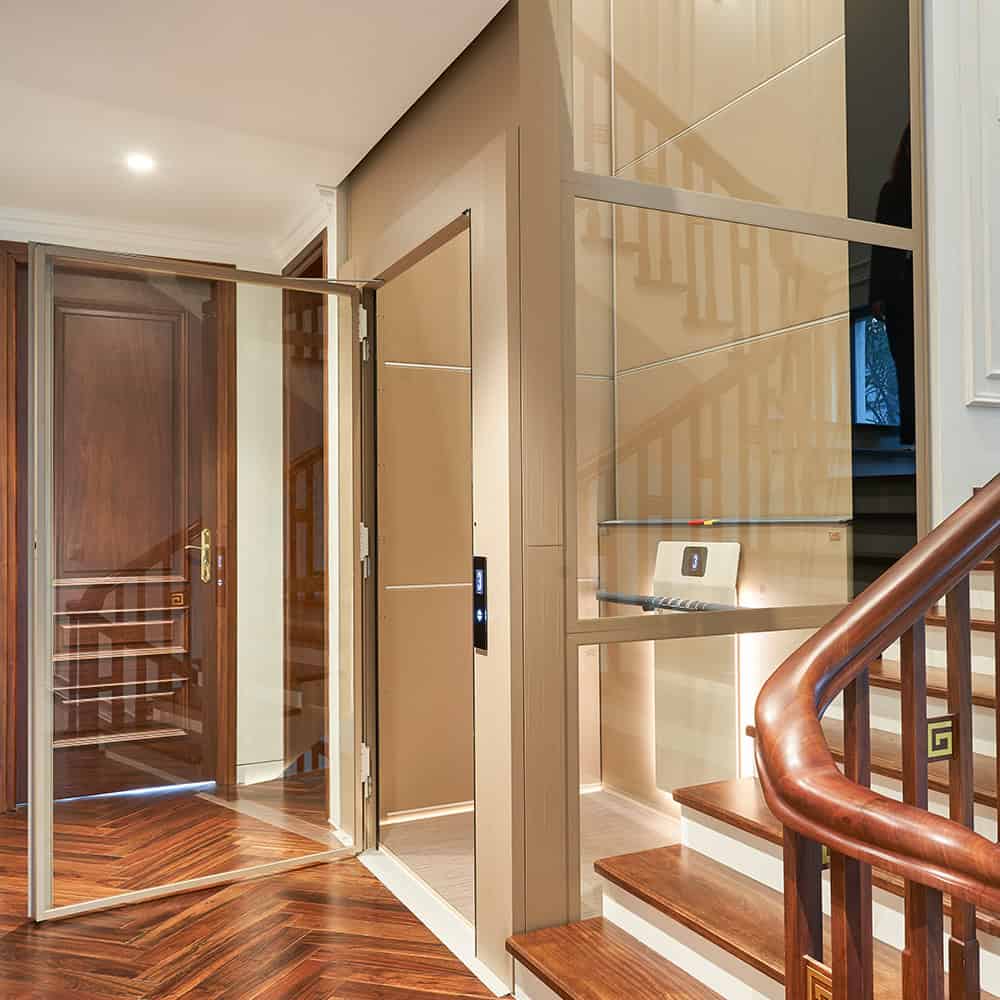
The Cibes Primo offers a refined, glass-forward look in a compact footprint that installs with minimal structural impact. For homeowners navigating retrofit constraints or tighter floor plans, it delivers the open, light aesthetic of a panoramic elevator without the full hoistway demands of a traditional shaft system. The optional glazed shaft panels allow the unit to blend naturally into the surrounding space.
One of the most common questions we hear before a glass home elevator project moves forward is whether the home can actually support it. The short answer is that most homes can, and our job is to confirm the specifics early so there are no surprises in the permitting or build phase.
Glass elevator systems like the Cibes Air and Cibes Primo are engineered to minimize structural impact. The MRL design means no dedicated machine room is required. Pit requirements range from zero to a few inches, depending on the model. Standard headroom requirements apply, and we confirm those against your ceiling heights before any commitments are made. We also coordinate directly with architects and builders when work is in progress, which keeps everyone aligned on shaft placement, load-bearing details, and inspection readiness.
The glass used in these systems is tempered and laminated safety glass, the same category used in commercial applications and high-performance windows. It’s built to handle the daily friction of residential use without fogging or degrading. Routine cleaning with standard glass cleaner is all that’s required. There’s no special coating protocol, and nothing about the glass panels changes the maintenance schedule for the elevator itself. American Elevator recommends annual preventive maintenance for all residential systems we install.
The terms are often used interchangeably, but they can describe slightly different configurations. A glass home elevator typically incorporates glass in the cab walls or shaft panels, creating visual openness while still integrating into a traditional hoistway structure. A panoramic elevator is designed specifically to maximize the view from inside the cab, often with a fully glazed cab and shaft that turns the ride itself into a feature. We help you choose based on how much visibility you want and how the system fits your space.
Yes. Glass elevators aren’t just showpieces; they’re fully functional, ASME-certified systems with all the safety features you’d expect in a residential elevator. Standard safety equipment includes emergency stop and alarm, battery backup lowering for power outages, and soft start and stop operation for a smooth, stable ride. We size and configure the cab to accommodate the user’s actual needs, including automatic door options if grip strength or dexterity is a factor. Safety and style aren’t in competition here.
Residential elevators consistently add value in the luxury and upper-mid market segments, particularly when they’re well-integrated into the home’s design. A glass home elevator or panoramic elevator that reads as an architectural element tends to perform better than a utilitarian shaft tucked away in a closet. In the markets we serve, buyers are increasingly expecting these features in multi-level estates, new construction, and aging-in-place renovations. A properly installed, well-maintained system supports rather than complicates a future sale.
Not meaningfully. The maintenance schedule for a glass home elevator is the same as any residential elevator we install: annual preventive service is standard, with more frequent visits for higher-use systems. The glass panels themselves don’t require specialized care beyond regular cleaning. American Elevator services the systems we install using in-house, state-licensed technicians, and our goal is a four-day turnaround on service visits. That accountability doesn’t change based on whether the system has glass panels or not.