Home Elevator Installations
American Elevator delivers commercial elevator installation with licensed in-house technicians, code-ready planning, and long-term support for building owners, architects, and builders across the Southeast.

Commercial elevator installation carries different stakes than a residential project. Building owners are managing tenant expectations, ADA compliance deadlines, and budget approval, while architects and general contractors need code-compliant drawings before ground ever breaks. American Elevator has installed and serviced elevators and lifts across the Southeast since 1997, bringing that same licensed, in-house team to commercial projects of every size.
From a single LULA elevator in a two-story medical office to a modernization program across a multi-building property, American Elevator manages the details that keep commercial projects on schedule and inspection-ready. Licensed technicians handle installation and service directly, without subcontractors, across Georgia, South Carolina, and North Carolina, so the standards on your project stay consistent from consultation through turnover and beyond.
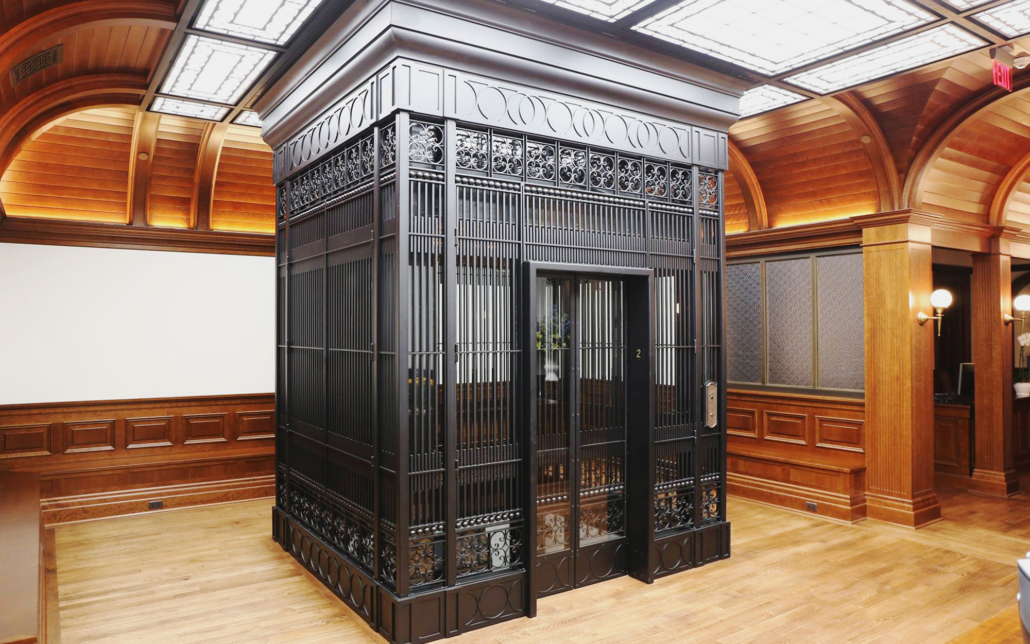
Every commercial building has different traffic patterns, occupancy classifications, and accessibility requirements, and the right equipment depends on all three.
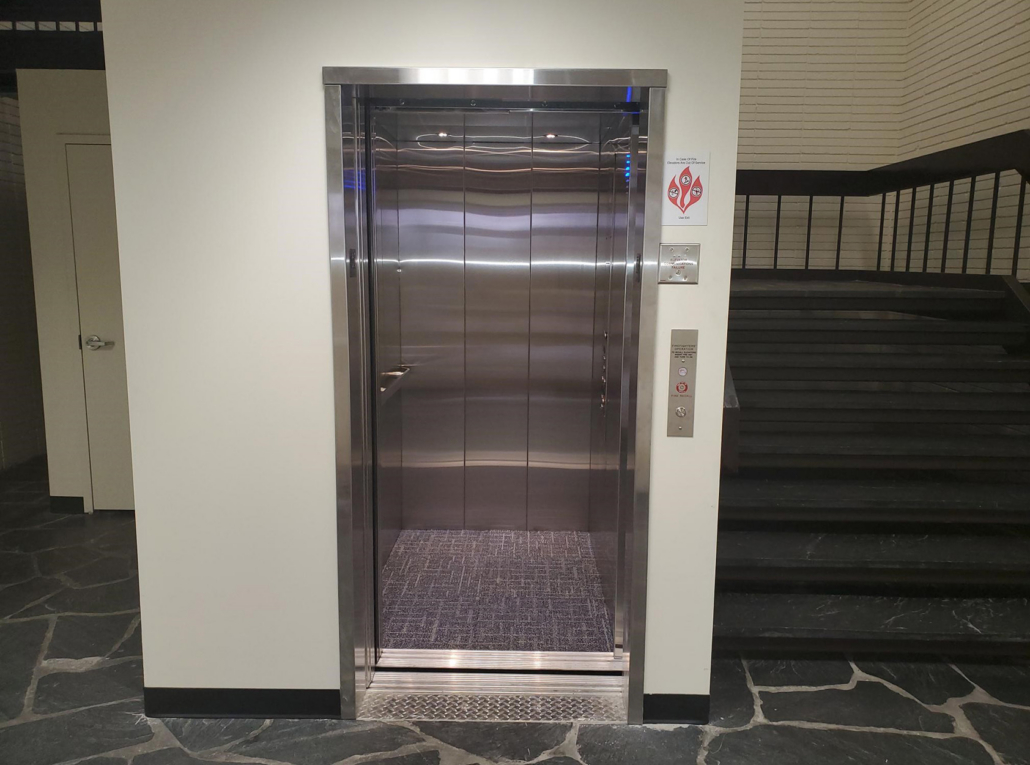
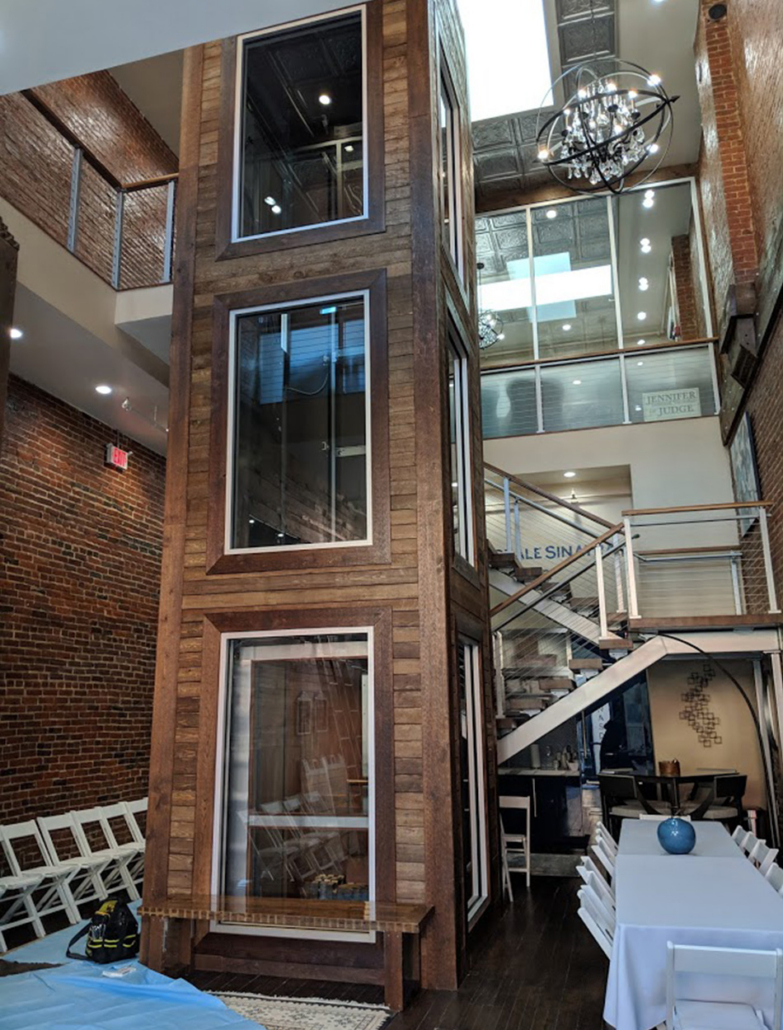
LULA elevators give low-rise commercial buildings a cost-effective, code-compliant way to move people between floors.
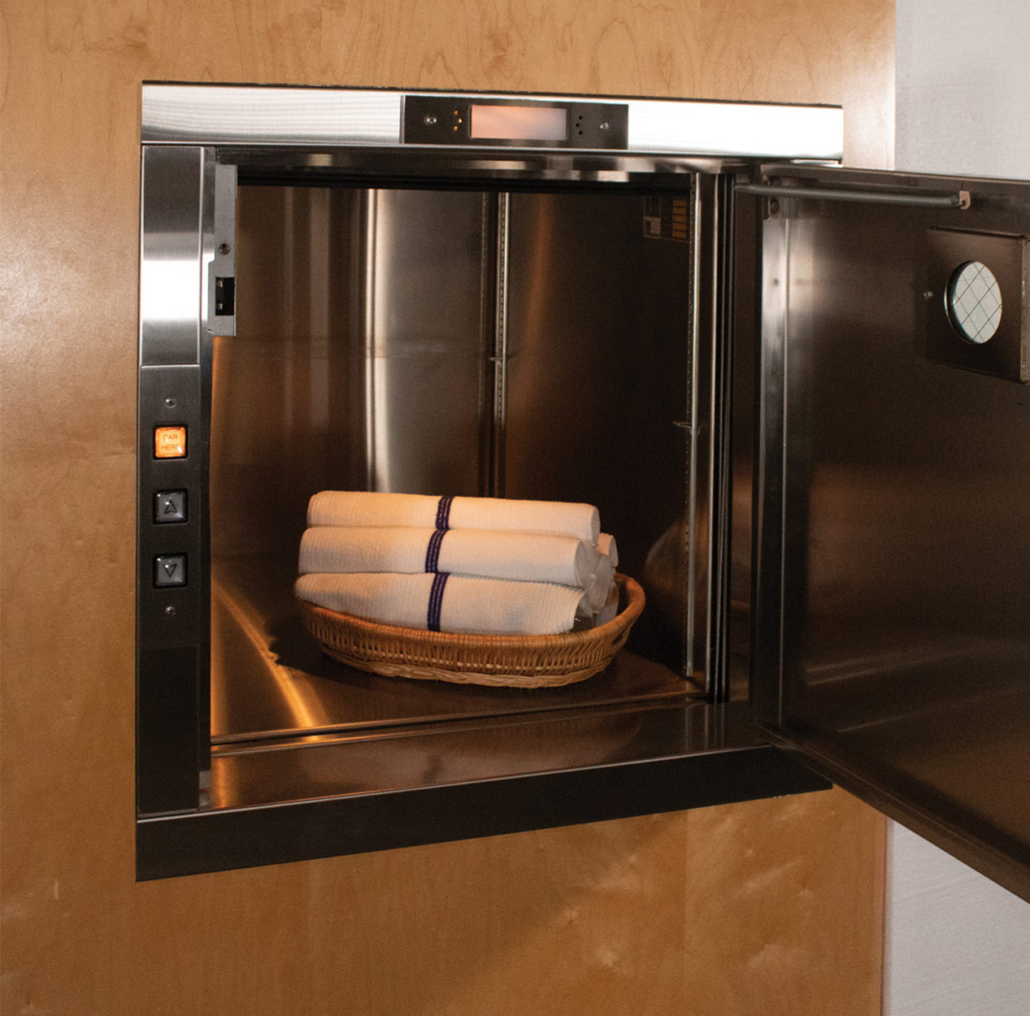
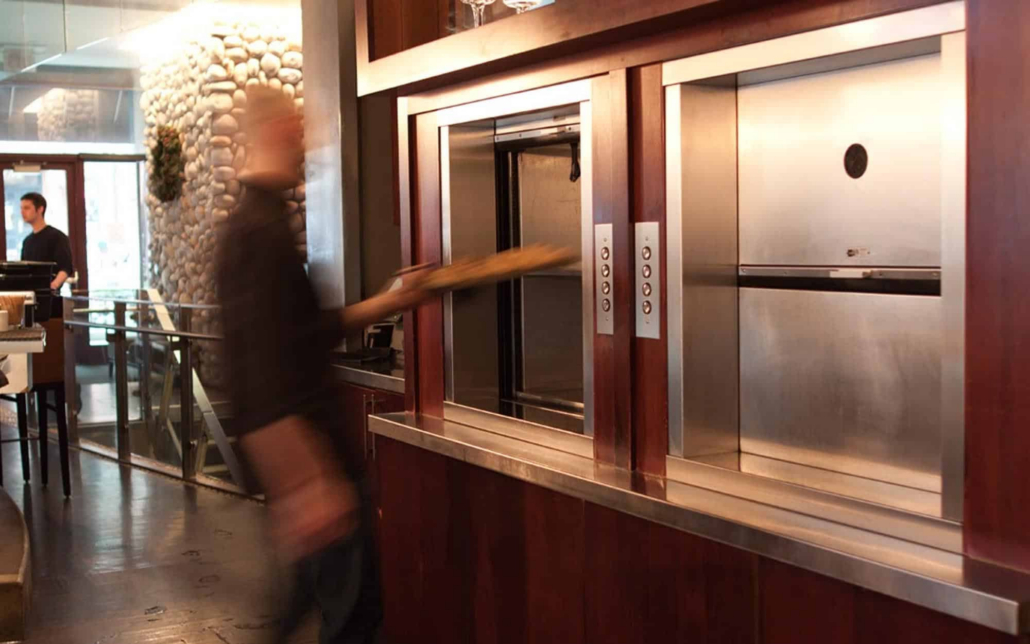
Commercial dumbwaiters keep food, supplies, and materials moving efficiently between floors in high-traffic environments.
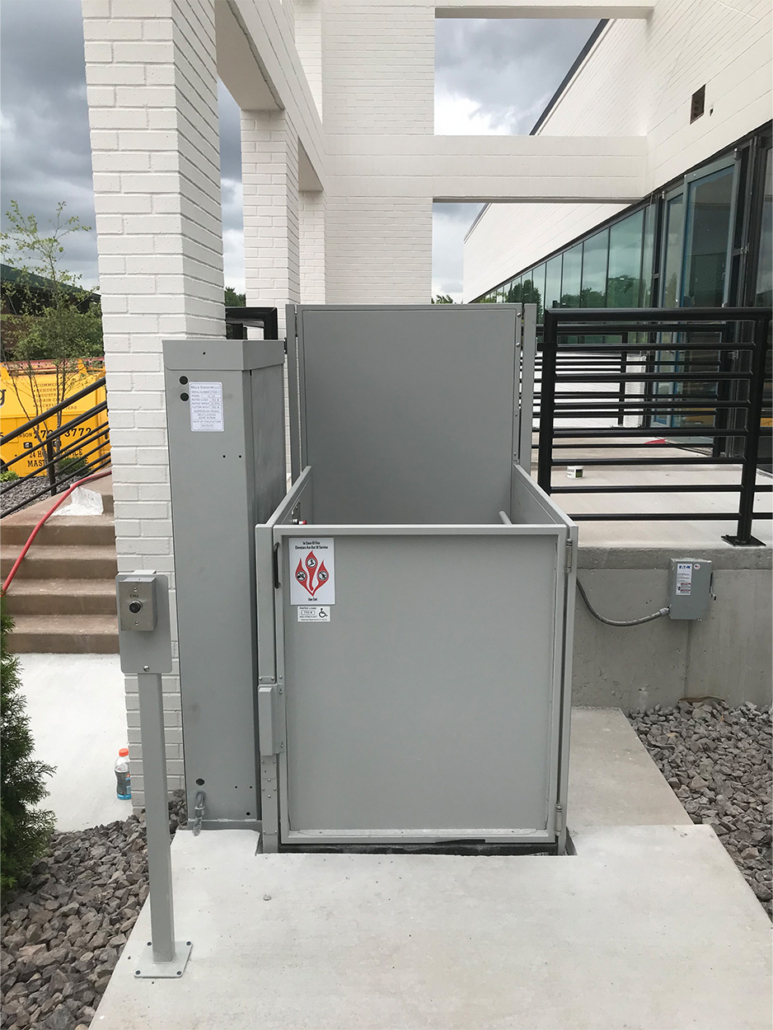
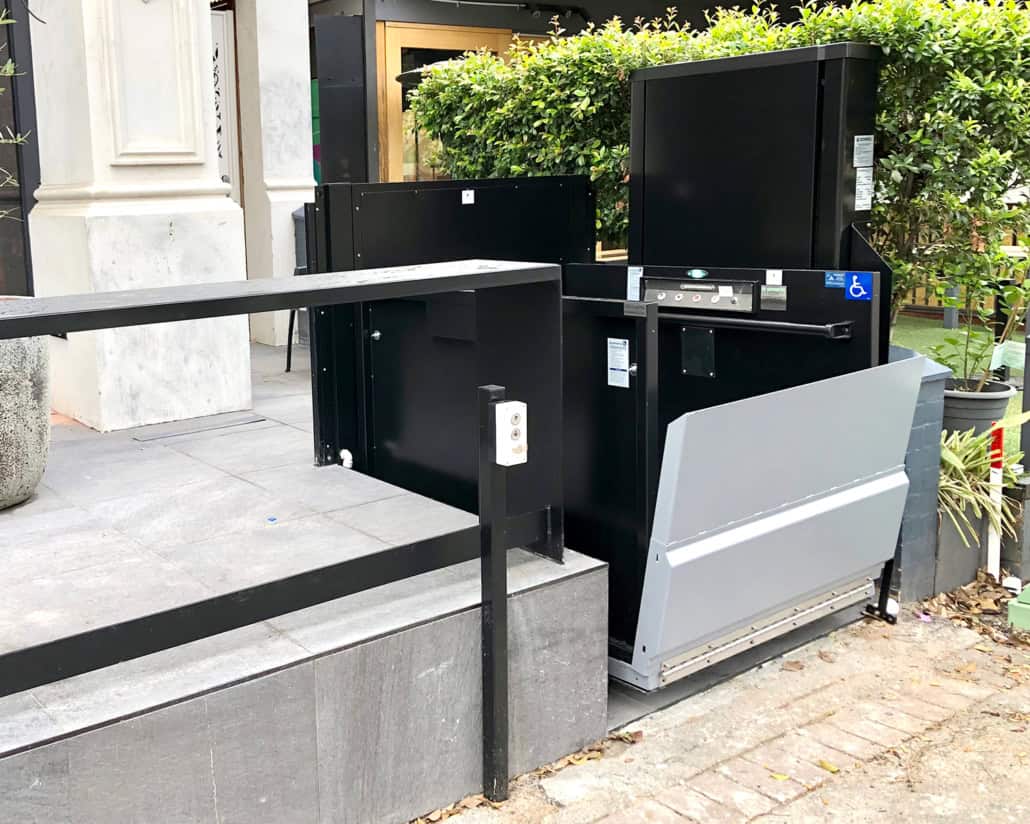
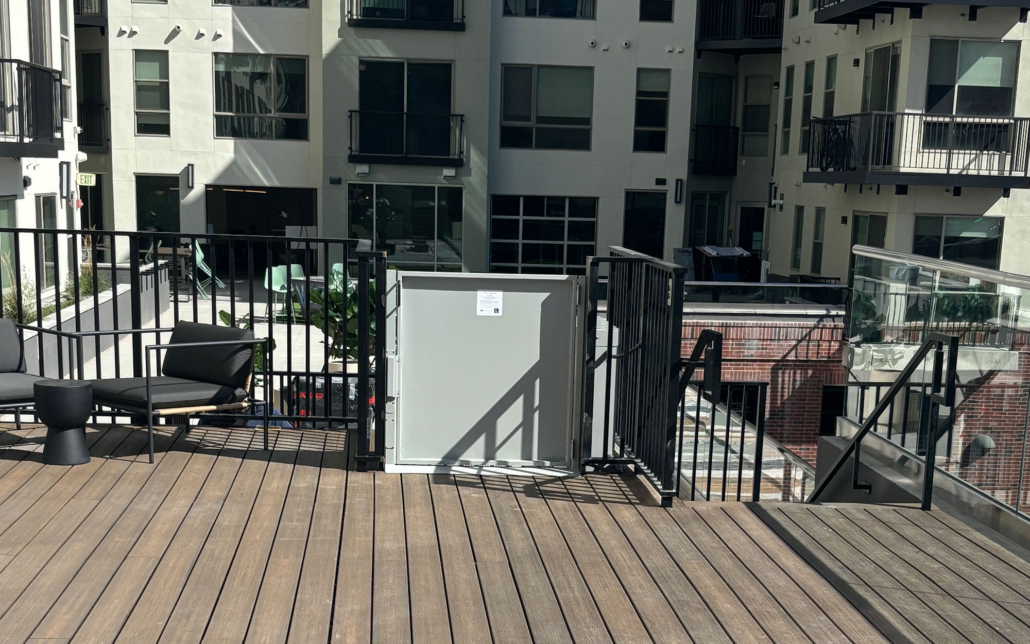
Commercial vertical platform lifts create ADA-compliant wheelchair access without the cost or footprint of a full elevator.
Elevator modernization and maintenance keep aging commercial systems safe, compliant, and reliable for the long term.
Commercial elevator decisions get harder and more expensive to change once a floor plan is locked. Occupancy classification, travel distance, and local code triggers determine whether a project needs a full commercial elevator or qualifies for a LULA, and that determination affects hoistway size, pit depth, overhead clearance, and electrical service long before the first wall goes up.
Get the specifications, code documentation, and product brochures your team needs to plan a commercial elevator or lift project with confidence.
A commercial installation involves more moving pieces than a typical residential project, and knowing what to expect makes it easier to plan around.
Commercial elevator costs depend on system type, travel distance, occupancy classification, and existing building conditions, so a reliable number requires specifics rather than a general estimate. LULA elevators typically cost less than full commercial passenger elevators because of their smaller footprint and simpler code requirements, while full commercial systems, modernization projects, and specialty lifts each carry their own cost drivers. The most accurate way to get a number you can use for budgeting is a building assessment, where American Elevator reviews your space and requirements and provides a quote based on your actual project rather than a generic range.
The answer comes down to occupancy classification, travel distance, and code triggers specific to your building and jurisdiction. LULA elevators serve low-rise buildings with moderate traffic and a maximum travel range around five stories, while full commercial elevators are required when occupancy, travel distance, or code classification exceed what a LULA is rated to handle. Because this determination is fact-specific, American Elevator reviews your building during a consultation and gives you a direct answer instead of a guess, so you can move forward with the right system the first time.
Timelines depend on permitting, equipment lead times, site readiness, and whether the project involves new construction or a retrofit into an existing building. A LULA installation in a straightforward retrofit moves differently than a full commercial elevator tied into new construction phasing. American Elevator builds a schedule around your specific project and communicates realistic milestones from consultation through final inspection, so your timeline reflects what’s actually achievable rather than a placeholder estimate.
Elevator requirements are set by local building codes, ADA regulations, and occupancy classification, and they vary by building height, use, and jurisdiction. Multi-story commercial buildings generally need to provide accessible vertical transportation once they exceed a certain number of stories or occupant load, though the specific trigger depends on your local code authority. In buildings where a full shaft-based elevator isn’t practical, a commercial vertical platform lift can often satisfy ADA accessibility requirements with a smaller structural footprint. American Elevator can review your situation and clarify what applies in Georgia, South Carolina, or North Carolina.
Aging commercial equipment often reaches a point where repeated repair costs, discontinued parts, and downtime outweigh the cost of modernization or full replacement. If your system is generating frequent service calls, inconsistent operation, or extended outages, that pattern is usually a signal worth investigating rather than continuing to patch the same problem. American Elevator evaluates the condition of your existing equipment and gives you an honest comparison between continued repair and a modernization or replacement project, so the decision is based on your actual equipment instead of a guess.
Bring American Elevator into the conversation during schematic design, before the floor plan and hoistway location are locked. At that stage, occupancy classification, travel distance, hoistway size, pit depth, overhead clearance, and electrical service are all still adjustable on paper, which is far less costly than revising them after construction begins. Our resources for architects and builders outline the specifications and code documentation our team can provide during design, and AIA continuing education credit is available for licensed architects who want to build familiarity with commercial elevator and lift planning.
Yes. American Elevator builds preventive maintenance plans and annual inspection scheduling for the commercial systems it installs, backed by the same licensed technicians who completed the installation. Maintenance contract customers receive priority scheduling, and American Elevator works toward a four-day response goal for service calls whenever possible. Consistent maintenance protects uptime, keeps your building compliant, and reduces the likelihood of the kind of recurring breakdowns that eventually force a bigger, more expensive decision.